Nov 12, 2026
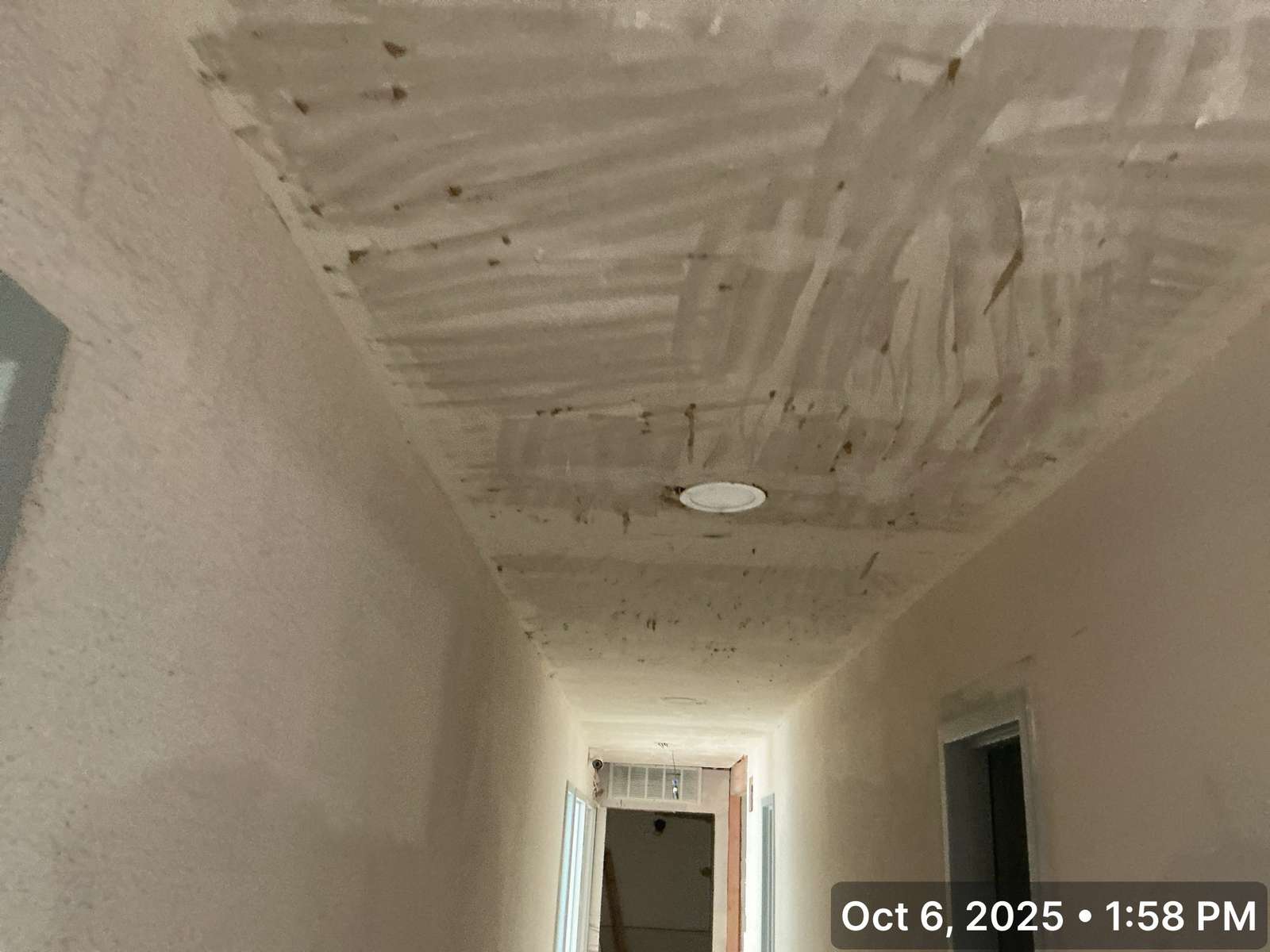
Popcorn ceilings, also called acoustic or cottage cheese ceilings, are one of the most common things Denver homeowners want gone. Before you grab a scraper, there's one step to take first: test the texture for asbestos. It's quick, and it can save you from a costly mess and a stalled project.
Spray-on ceiling textures were widely used in homes from the 1950s through the 1980s, and many of them contained asbestos. Some newer textures do too. You can't tell by looking: asbestos and non-asbestos textures look the same. The only way to know is to have a sample analyzed by a lab.
Intact popcorn ceiling that nobody is touching is a low concern. The risk comes when it's scraped, sanded, drilled or cut, because that can release fibers into the air and spread dust through the house.
Under Colorado's asbestos rules (AQCC Regulation No. 8, Part B), suspect materials must be inspected by a Colorado-certified Asbestos Building Inspector before you disturb more than the state's trigger levels. In a single-family home, the trigger for surfaces like ceilings is 32 square feet. That's smaller than most single rooms, so removing a popcorn ceiling almost always crosses it.
If the texture contains asbestos and you'll disturb more than 32 square feet, a Colorado-certified General Abatement Contractor has to remove it under a state permit. It isn't a DIY job at that point. Many local building departments also ask for the asbestos report before issuing a remodel permit. Read more in our guide to Colorado's asbestos testing rules.
Sampling only takes a small amount of material, and the inspector typically covers each sample spot with tape. Most inspections take 30 to 45 minutes on site.
Any material with more than 1% asbestos is considered asbestos-containing in Colorado. If even one sample from a ceiling area comes back over 1%, the whole area is treated as asbestos-containing. Results are never averaged.
If nothing is found, your report will say no asbestos was detected in the materials sampled. That covers the ceiling texture tested. If you're also removing drywall, wall texture or flooring, those materials need their own samples.
Sometimes. Leaving intact material in place and covering it, for example with new drywall, can avoid disturbing it. Test first anyway, so you and any future contractors know what's up there.
If the texture contains asbestos, removing more than 32 square feet in a home requires a Colorado-certified General Abatement Contractor. Below that, worker-protection rules still apply. If it tests negative, standard remodeling practices apply.
No. L&K Environmental is a testing-only company, which keeps our results independent. If your ceiling tests positive, we'll explain what it means and point you toward the next step.
Planning to remove a popcorn ceiling anywhere in the Denver metro? See our asbestos testing services or contact us to get on the schedule.
Asbestos • Lead • Mold
📞 303-912-5016
📧 info@lkenvironmental.com
🌐 lkenvironmental.com


